

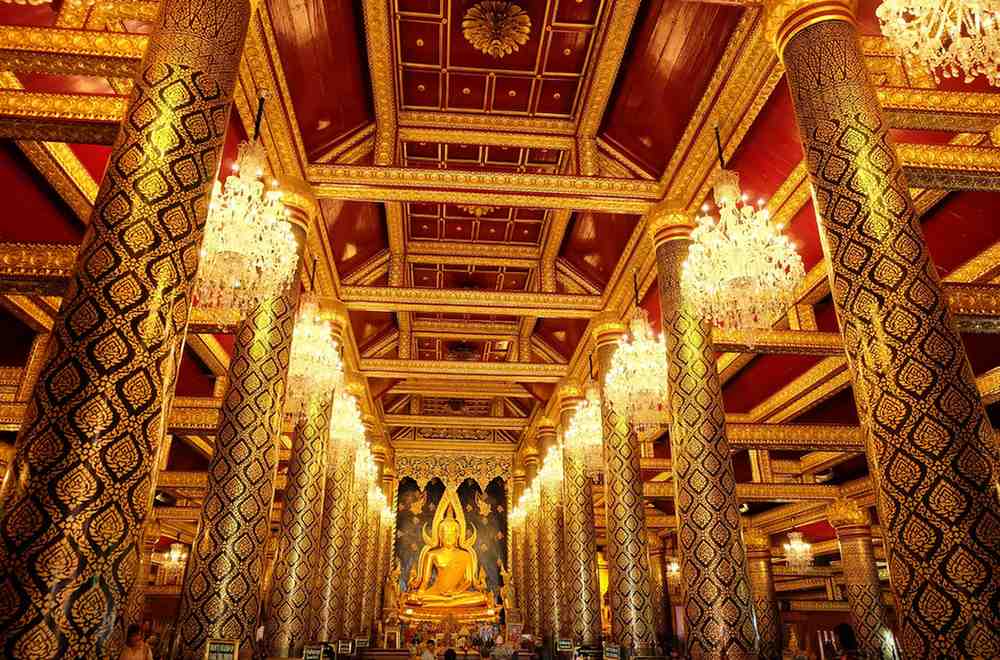
Thailand’s cultural diversity is a rich tapestry woven from centuries of interaction between indigenous traditions and external influences. The culture of Thailand is a unique blend of various influences that have evolved over time. Local customs, animist beliefs, Hindu and Buddhist traditions, and regional ethnic and cultural practices have all contributed to shaping Thai society. Central to this identity is the concept of Thainess, which refers to the distinctive qualities that define the national character of Thailand. This sense of identity is reflected in the country’s history, customs, arts, and everyday life.
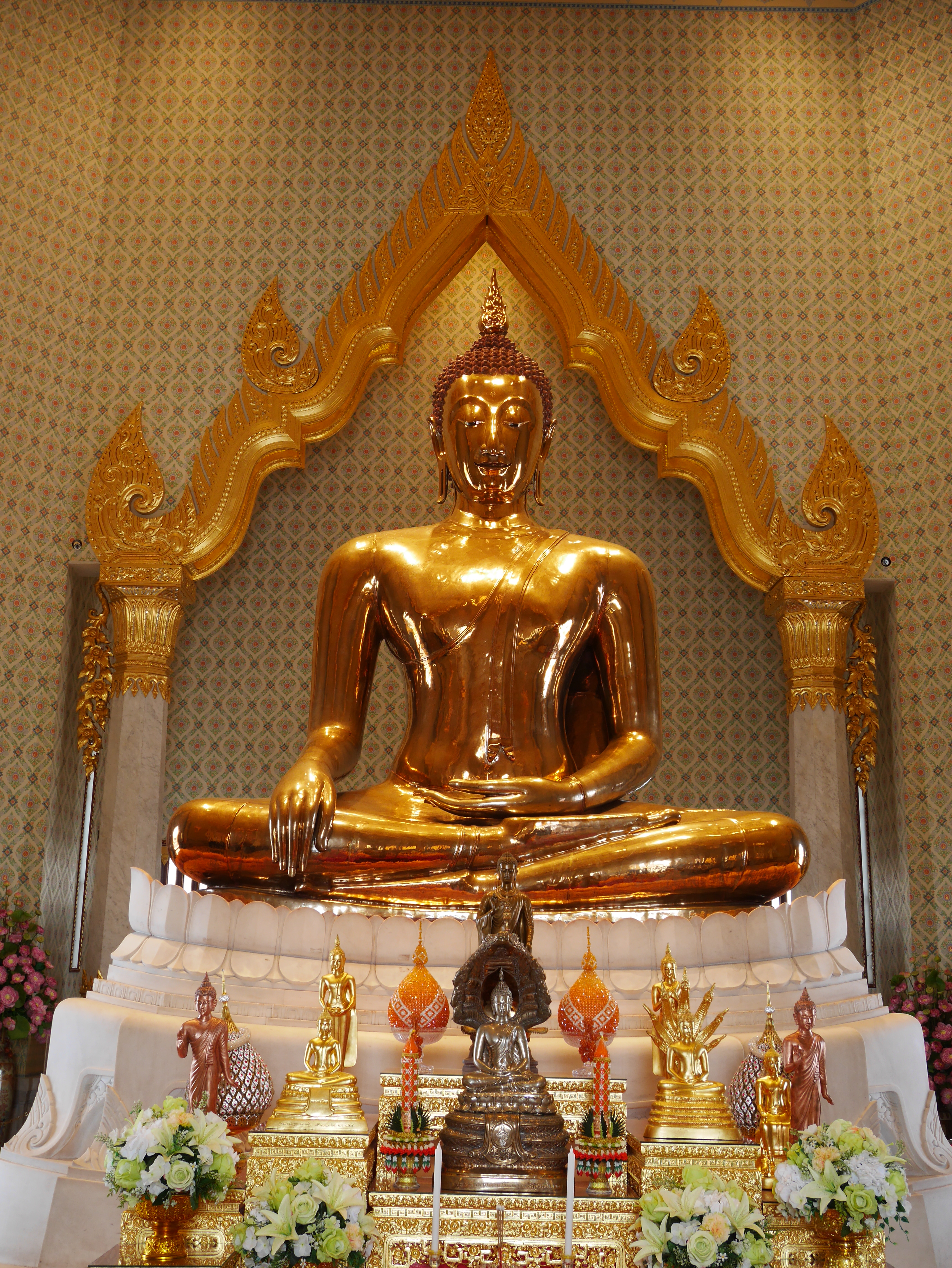
Religion plays a vital role in Thai culture. Buddhism is the dominant faith, with more than 40,000 temples spread across the country, serving as spiritual, cultural, and community centers. Buddhist values such as compassion, respect, and mindfulness deeply influence Thai behavior and social norms. However, Thailand is also home to a variety of other religious communities, including Muslims, Christians, and followers of other faiths, reflecting its openness and diversity. In addition to organized religions, animist beliefs—centered on spirits and nature—continue to coexist with mainstream religious practices, particularly in rural areas.
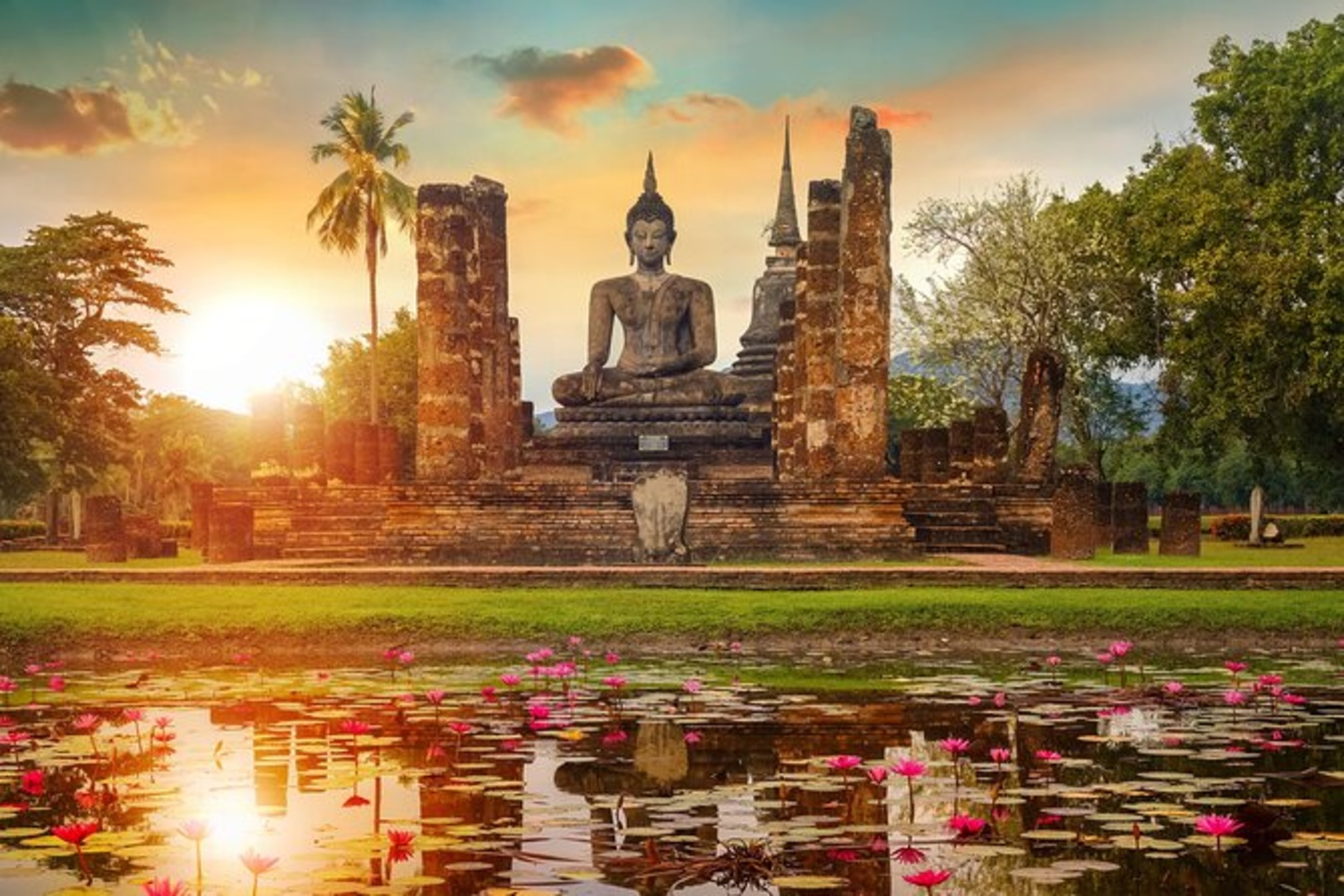
Thailand’s historical development has been significantly shaped by interactions with neighboring and distant cultures. Influences from Indian and Chinese civilizations are evident in language, religion, art, and governance. Contacts with Khmer, Japanese, Portuguese, and Persian cultures have further enriched Thai traditions. The ancient city of Ayutthaya stands as a powerful symbol of this cultural exchange. Once a major global trade center, Ayutthaya attracted merchants and travelers from across Asia and Europe. Early European visitors regarded it as one of the great powers of Asia, alongside China and India, highlighting its economic strength and cultural significance.
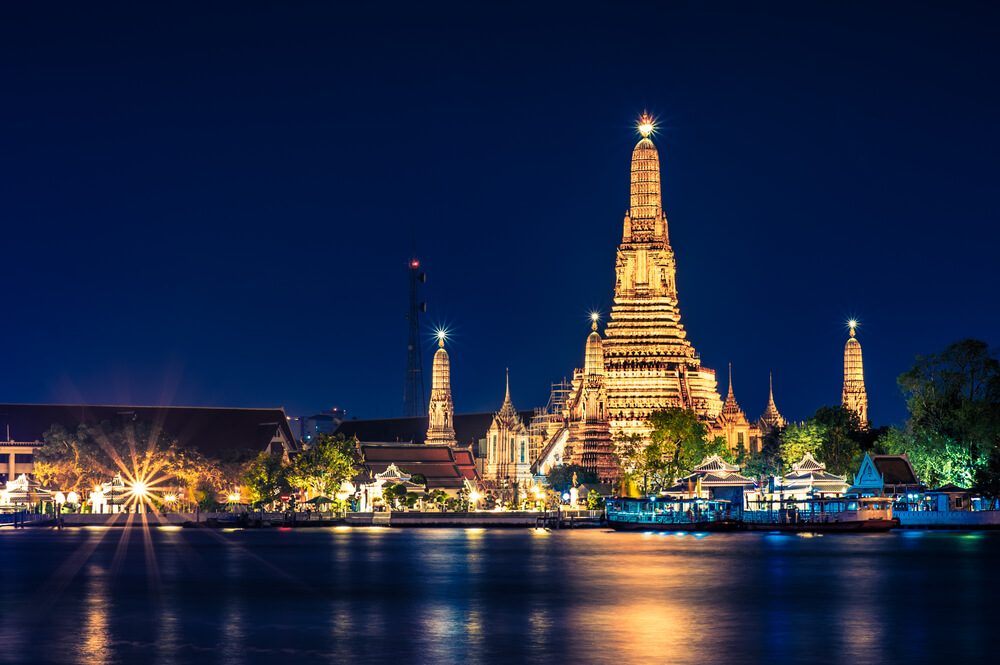
In modern times, Thailand continues to balance tradition and change. The country has embraced global trends, particularly in education, science, and technology, while maintaining its cultural heritage. This blend of modernity and tradition is visible in Thai cities, where ancient temples stand alongside contemporary architecture, and traditional customs are practiced in a rapidly developing society.
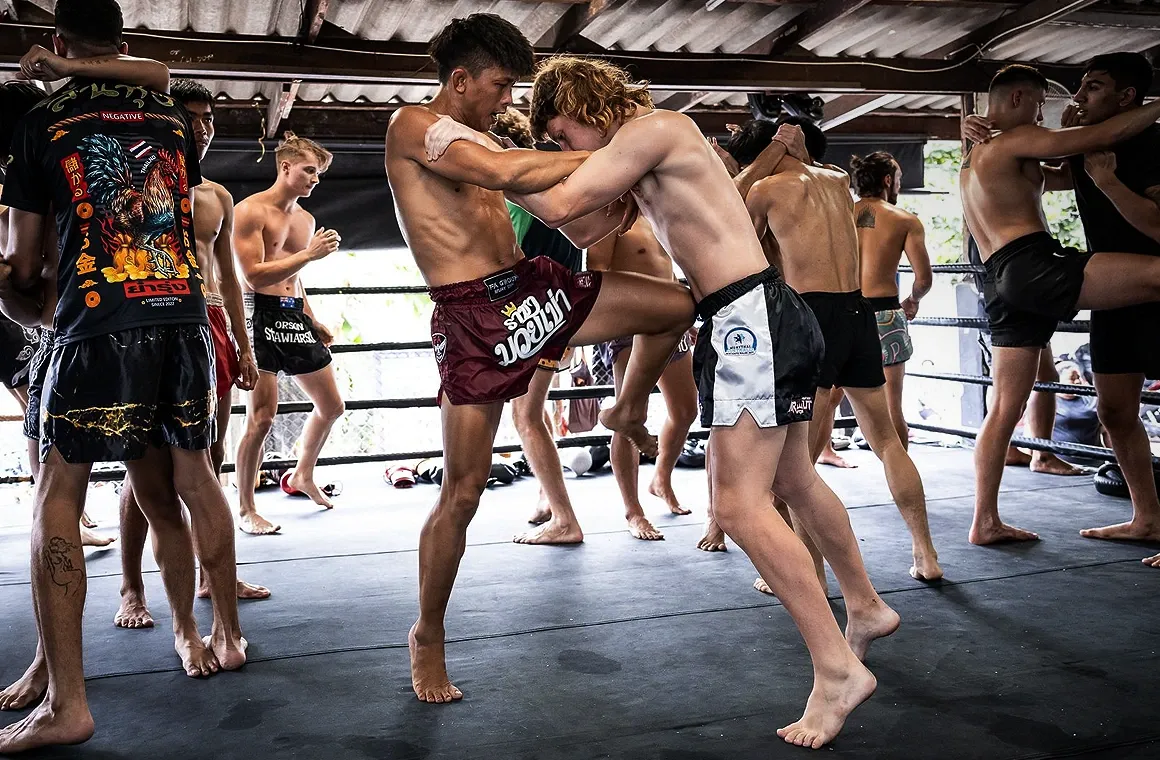
Thailand’s cultural influence extends far beyond its borders. Its contributions to television, dance, film, art, fashion, music, and cuisine have shaped regional and global cultural landscapes. The government’s “5F” cultural policy—focusing on food, films, fashion, fighting, and festivals—aims to promote these elements as key cultural exports. Thai cuisine, known for its balance of flavors and vibrant presentation, has become a staple in restaurants worldwide. Similarly, Muay Thai, the country’s traditional martial art, has gained international recognition as a popular combat sport.
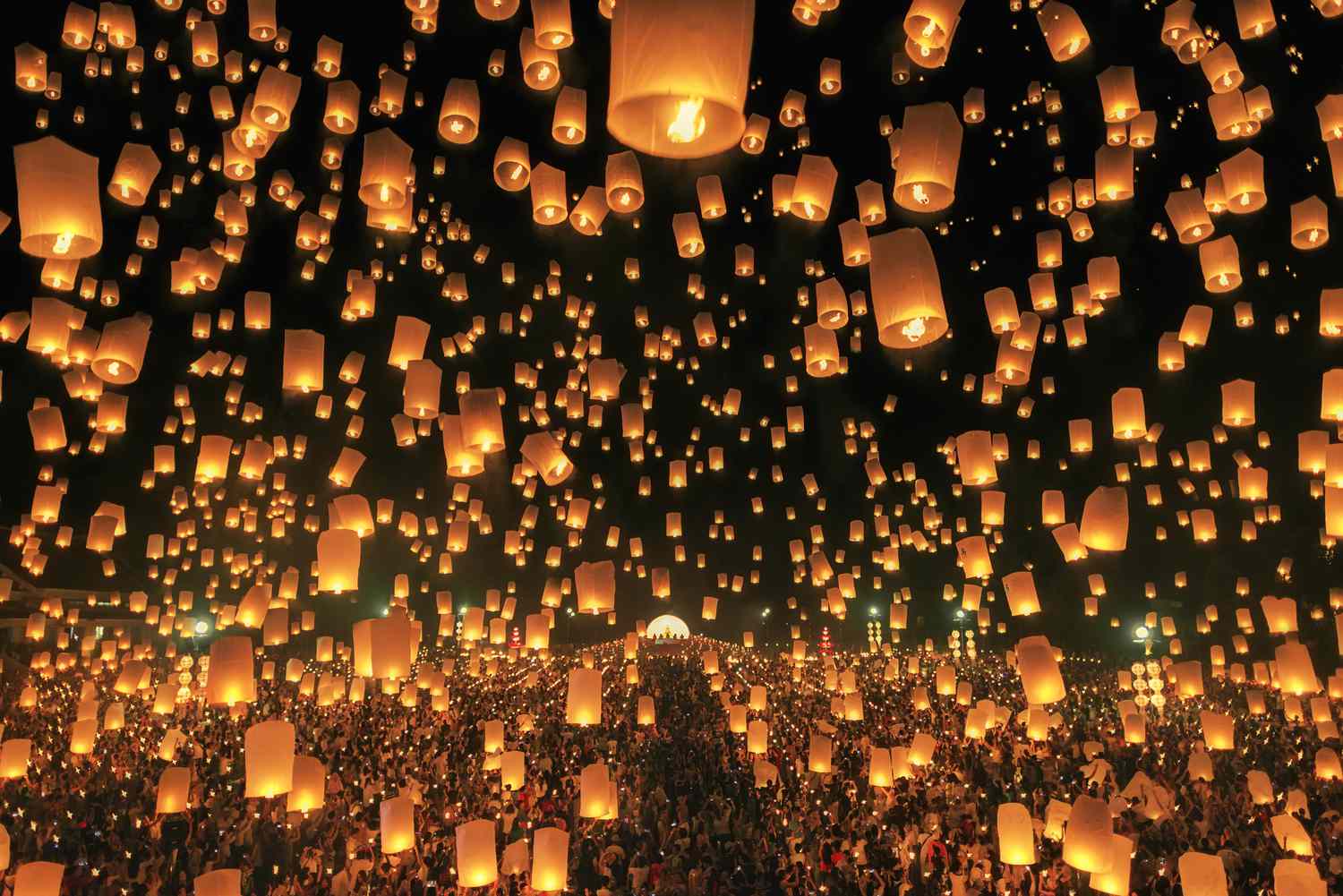
Festivals also play a crucial role in showcasing Thailand’s cultural diversity. Celebrations such as Songkran, the Thai New Year water festival, and Loy Krathong, the festival of lights, attract visitors from around the globe. These events reflect the country’s spiritual beliefs, seasonal rhythms, and communal values, while also serving as major tourist attractions.
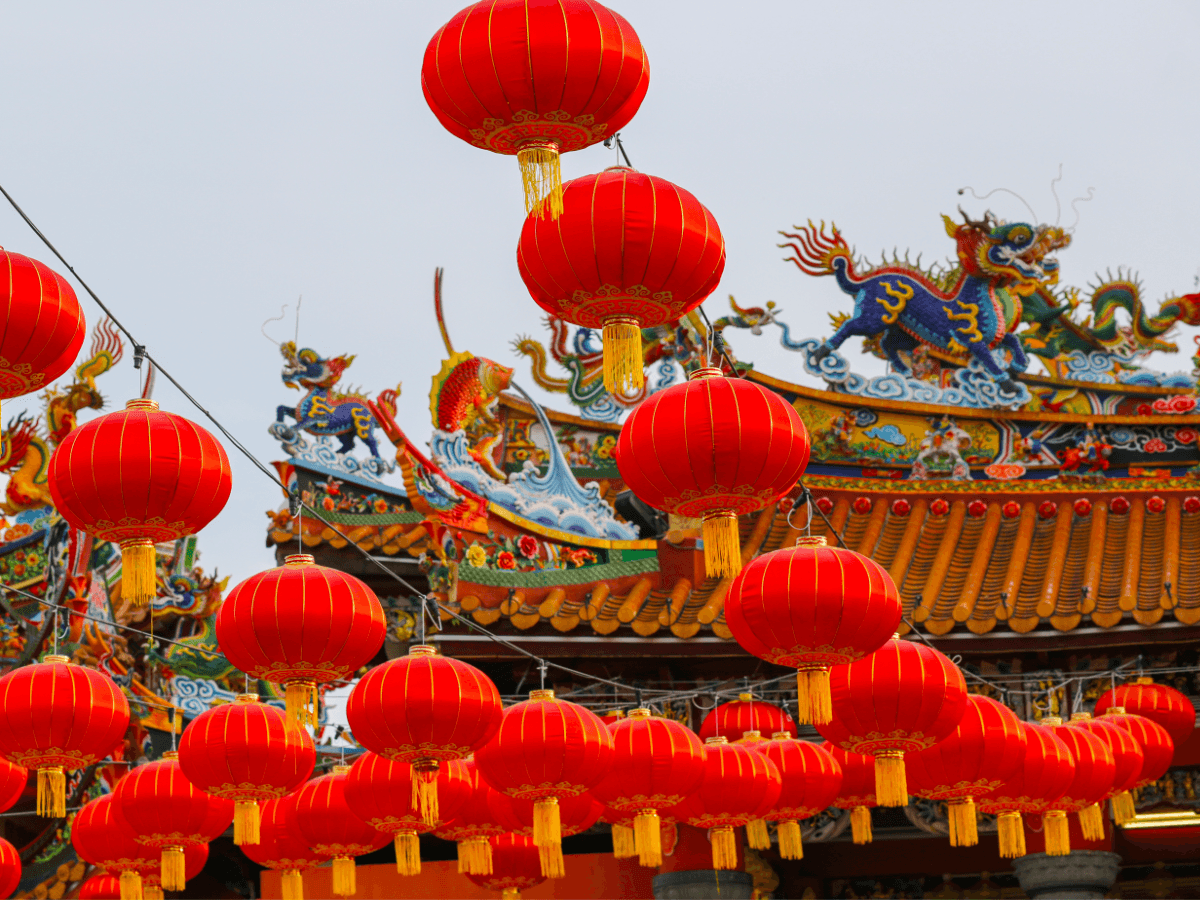
In conclusion, Thailand’s cultural diversity is the result of centuries of interaction, adaptation, and preservation. Its ability to integrate various influences while maintaining a strong sense of identity has made it a unique and dynamic society. Through its traditions, religions, arts, and global cultural contributions, Thailand continues to celebrate its rich heritage while engaging with the modern world. This harmony and diversity make Thailand a highly inclusive and culturally vibrant society.
Rani
March 25, 2026“This article beautifully explains the richness of Thailand’s cultural diversity. I especially liked how it connects tradition with modern life it’s very informative and engaging.”