

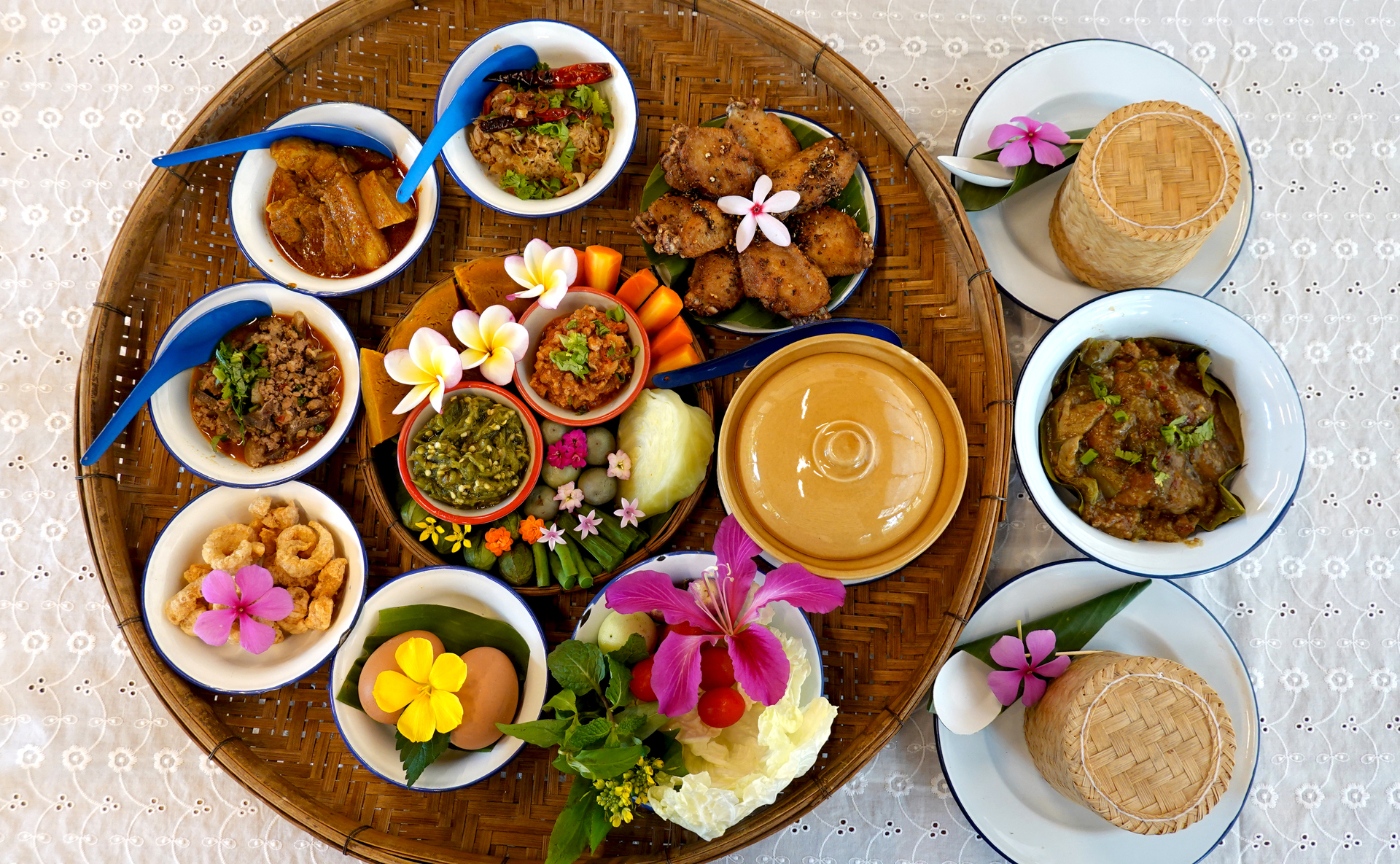
Thai cuisine is celebrated across the globe for its vibrant flavors, aromatic ingredients, and beautiful balance of tastes. Since tourism to Thailand began booming in the 1980s, Thai food has steadily grown into one of the most popular cuisines in the world. Today, it proudly stands alongside global culinary giants such as Indian, Chinese, French, and Italian cuisine.
When you travel to Thailand, you may find plenty of international dining options. But there is little reason to skip the authentic local experience. Thailand is the birthplace of one of the world’s most distinctive culinary traditions, where every meal tells a story of culture, history, and creativity.
The Origins of Thai Cuisine
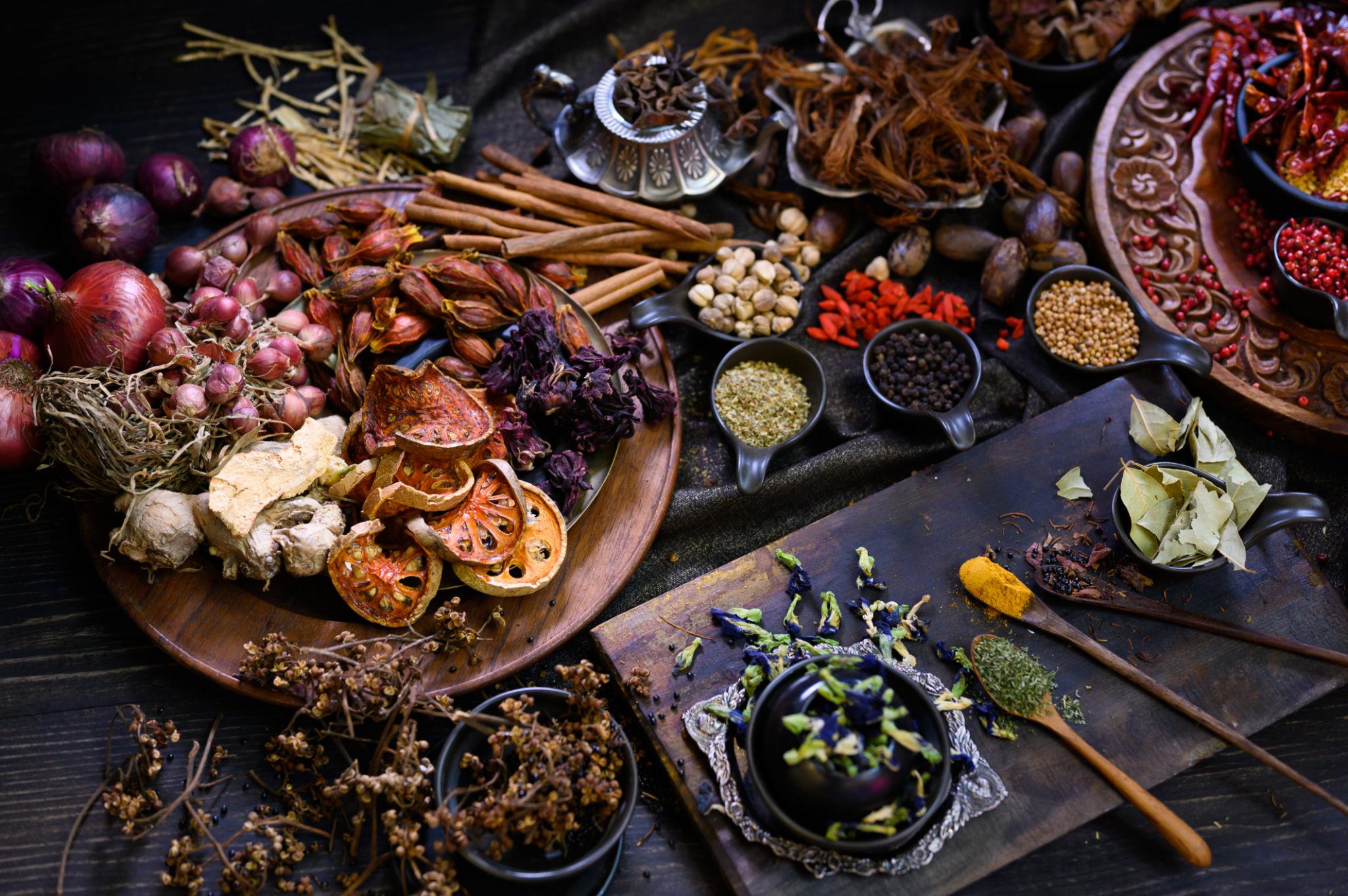
The roots of Thai cuisine can be traced back many centuries to migrants from southern China who settled in the region that is now Thailand. Over time, their cooking traditions blended with local ingredients and cultural influences, gradually forming the foundation of modern Thai food.
Historically, Thai cooking was influenced by several neighboring cultures. Early culinary traditions show strong similarities with Szechuan-style Chinese cooking. Later, Buddhist monks introduced elements of Indian flavors and spices. In southern Thailand, Muslim communities brought their own cooking techniques and ingredients.
During the colonial trading era, Thailand’s contact with Portuguese missionaries and Dutch traders introduced new ingredients and cooking methods. Even Japanese influences found their way into Thai kitchens at certain points in history.
Despite these diverse influences, Thai cuisine eventually evolved into a unique culinary identity. Today, it is known for its perfect balance of the five fundamental tastes: Sweet, Sour, Salty, Bitter and Spicy.
This harmony of flavors is what makes Thai food so distinctive and addictive.
Regional Differences in Thai Cuisine
Thailand’s diverse geography and cultural influences have led to the development of four distinct regional styles of cooking. Each region has its own ingredients, cooking techniques, and signature dishes.
Northern Thai Cuisine
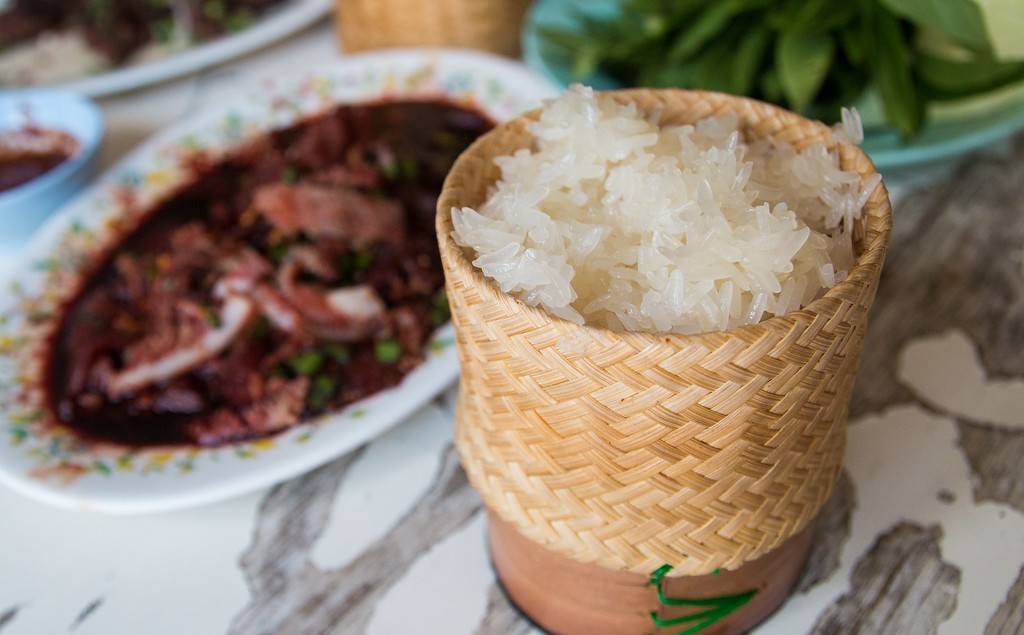
Northern Thai cuisine is known for its mild flavors compared to the rest of the country. Sticky rice is the staple food here, traditionally rolled into small balls and eaten with the fingers.
The cuisine reflects strong cultural connections with neighboring Myanmar (Burma). One of the region’s most famous dishes is Kaeng Hang Le, a rich pork curry flavored with ginger, turmeric, and tamarind. Northern food often emphasizes herbs, grilled meats, and flavorful dips served with vegetables.
North-Eastern Thai Cuisine (Isan)
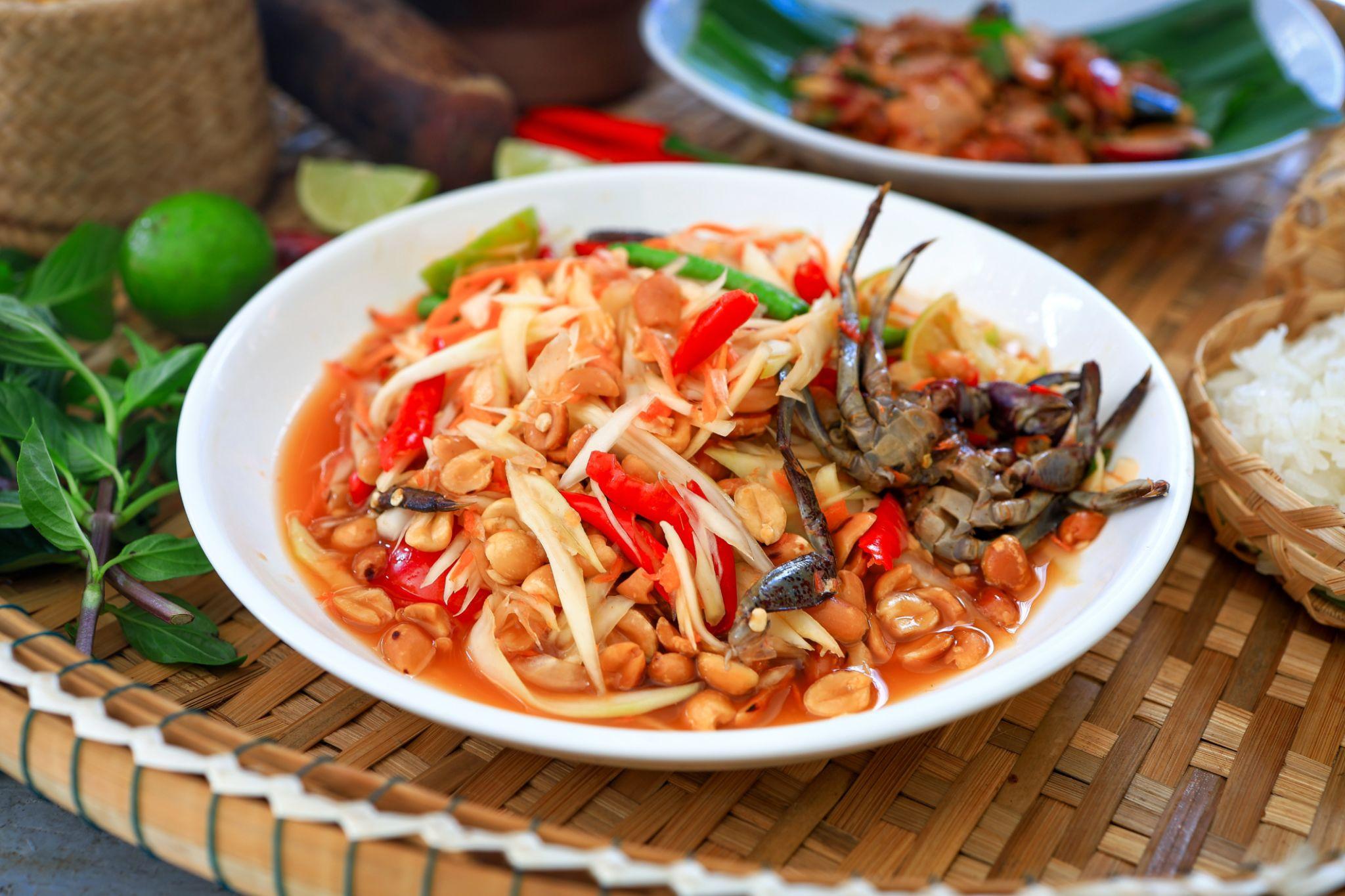
The north-eastern region of Thailand, commonly called Isan, shares many culinary similarities with neighboring Laos.
Food here is generally spicier and more intensely flavored. Sticky glutinous rice remains the main staple, and meals often feature grilled meats, fresh herbs, and bold chili-based sauces.
Historically, meat was scarce in rural villages. As a result, people relied heavily on shrimp and freshwater fish as their main sources of protein. Fermentation techniques were widely used to preserve food and enhance flavor, creating many of the unique tastes associated with Isan cuisine today.
Central Thai Cuisine
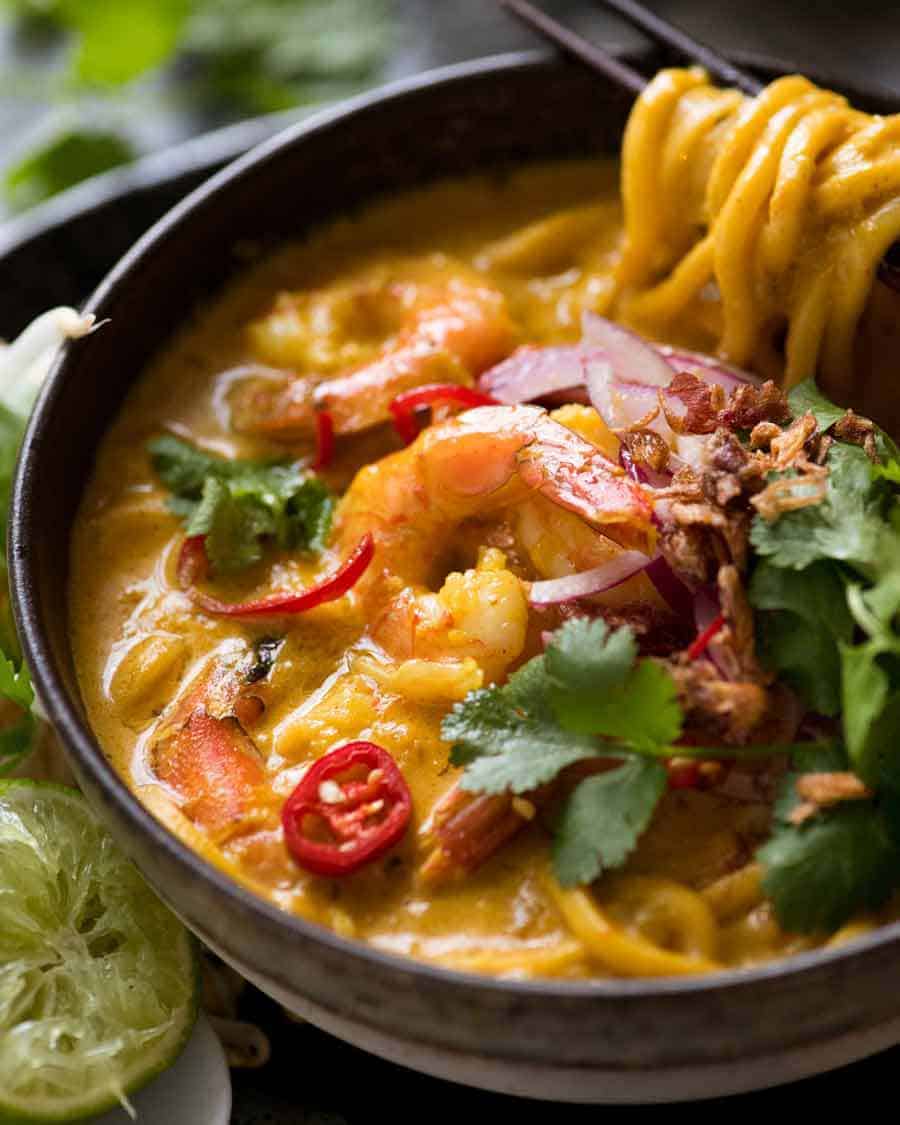
Southern Thai cuisine is perhaps the most internationally recognized, largely because many of Thailand’s major tourist destinations are located in this region.
Food here is rich, spicy, and heavily influenced by the region’s coastal geography. Seafood plays a central role in many dishes.
Coconut is another key ingredient. Coconut milk is widely used in curries and sauces, while coconut oil often replaces ghee for frying. Southern appetizers frequently feature cashew nuts from local plantations along with fresh coconut flesh as a garnish or condiment.
The Famous Thai Curries
Thai curries are among the most iconic dishes in the country’s culinary tradition. Unlike Indian curries, Thai curries are often categorized by their color, which reflects the ingredients used in the curry paste.
The four most common varieties include:
Green Curry – The spiciest of the Thai curries, made with green chilies and fresh herbs.
Red Curry – Slightly milder than green curry but still rich and flavorful.
Yellow Curry – Influenced by Indian spices such as turmeric, giving it a warm color and aroma..
Orange Curry – The mildest variety with a gentler flavor profile.
In addition to these classic curries, two other famous varieties are widely loved:
Panang Curry – A thicker, richer curry with a slightly sweet flavor.
Massaman Curry – A unique curry influenced by Malay and Persian cooking traditions, often prepared with peanuts, potatoes, and aromatic spices..
These curries typically have thicker sauces than standard Thai dishes and are often served with steamed jasmine rice.
Experience Thai Cuisine on Your Journey
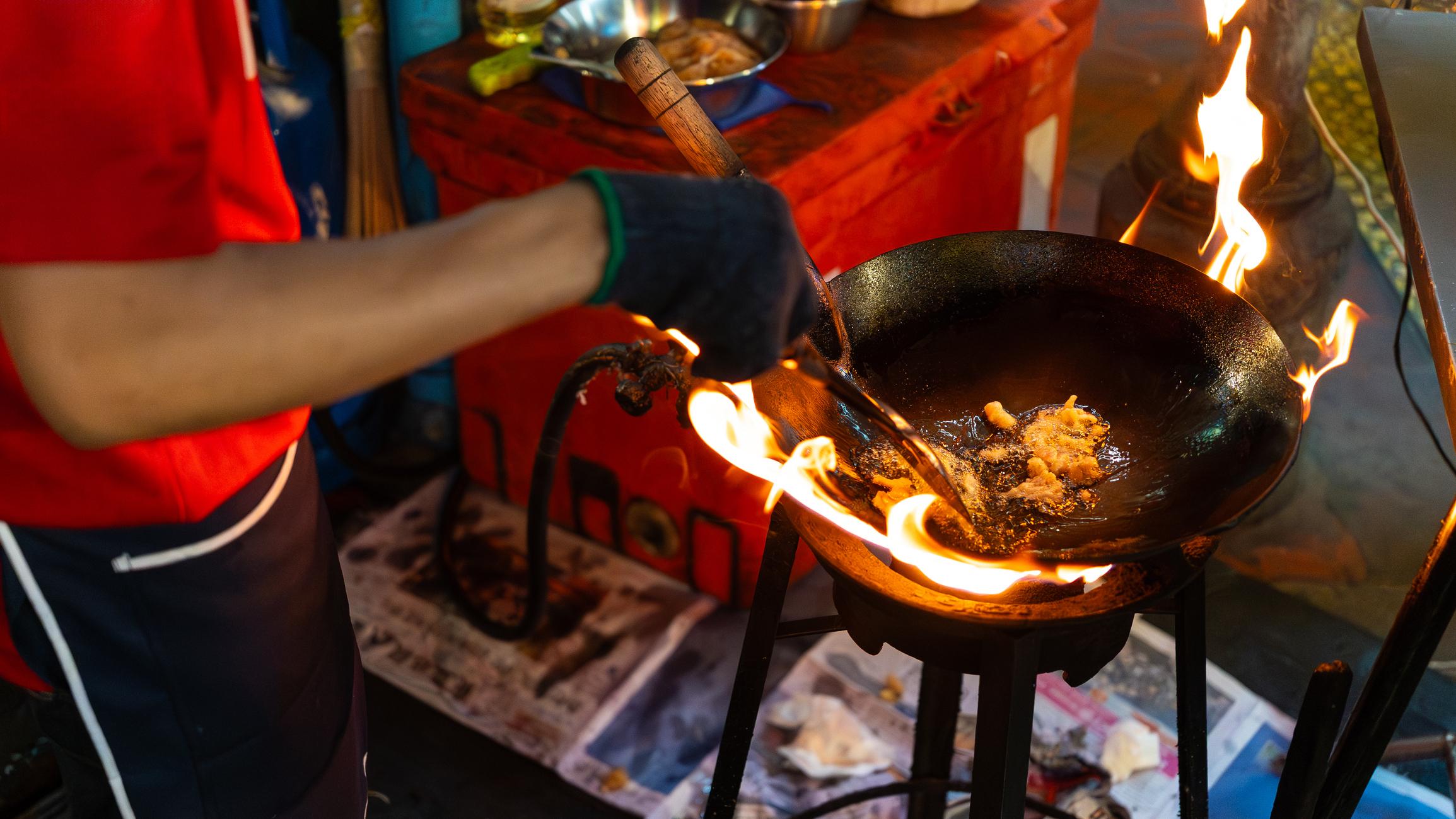
Thai cuisine is much more than just food—it is a reflection of Thailand’s culture, history, and regional diversity. From the mild herbal dishes of the north to the fiery seafood curries of the south, every region offers something unique for travelers to explore.
For anyone visiting Thailand, tasting authentic Thai food is an essential part of the journey. Whether it is enjoying a bowl of fragrant curry, sampling street food in bustling markets, or savoring a royal-style meal, Thai cuisine promises an unforgettable culinary experience.
Arun
March 10, 2026“This article beautifully explains the diversity of Thai cuisine. I especially enjoyed learning about the regional food styles and the different types of Thai curries.”